Gentle Detangling
Using specialized tools to carefully separate mats without discomfort.
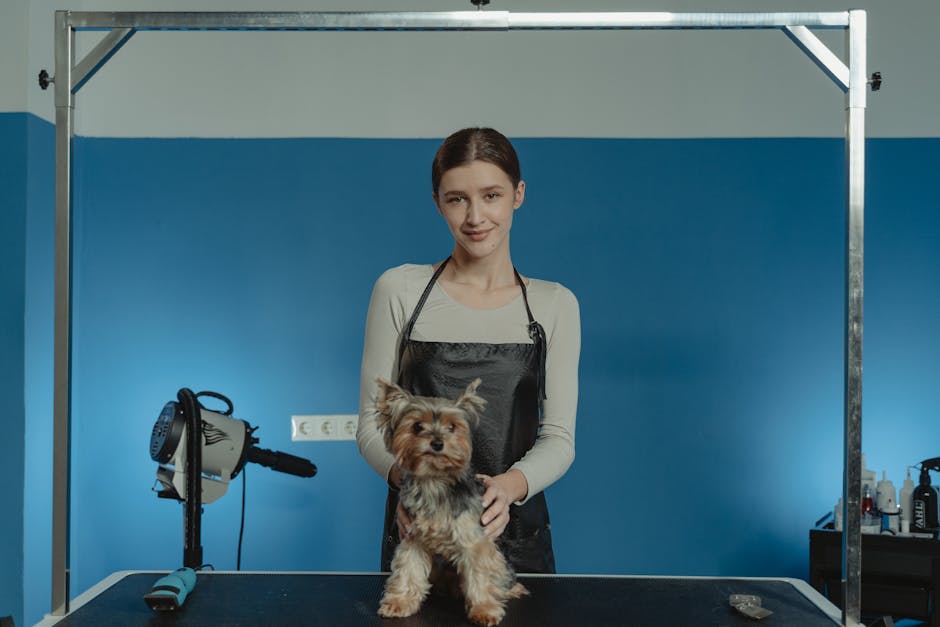
When your pet's coat becomes matted, shedding seems out of control, or grooming sessions cause stress, it's helpful to know what's happening. Learn about the causes and how professional grooming approaches can address these common issues.
Matting often develops from friction, moisture, and lack of regular brushing, especially in areas like behind ears and under legs. Shedding varies with seasonal changes, breed, and overall health. Anxiety during grooming can stem from unfamiliar handling, loud noises, or past negative experiences. Recognizing these triggers helps in choosing appropriate grooming methods.
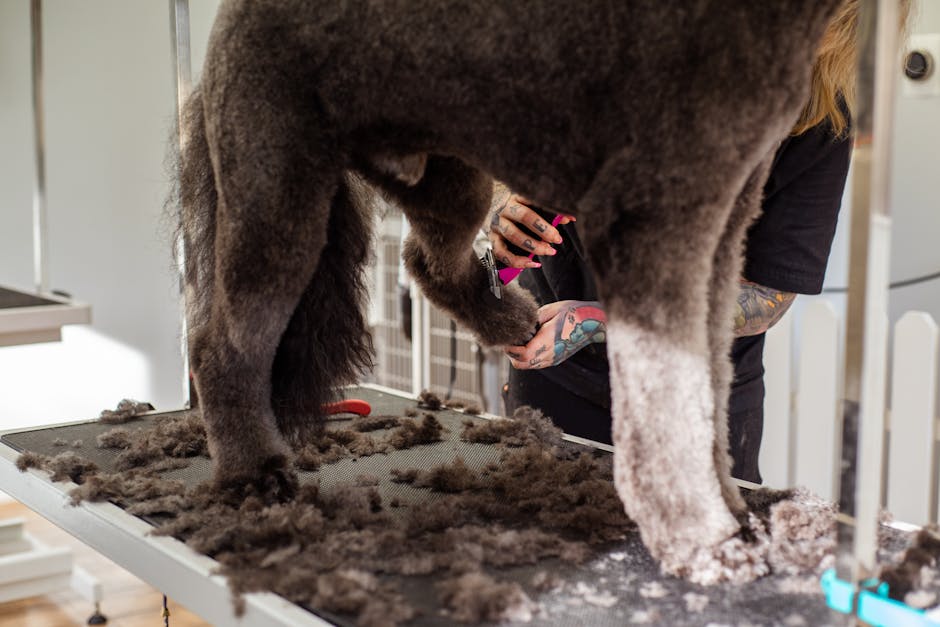
Using specialized tools to carefully separate mats without discomfort.
Regular brushing and de-shedding treatments to reduce loose fur.
Creating a calm environment with gradual handling techniques.
Routine grooming to minimize matting and stress over time.
Each grooming session begins with an assessment of the coat and behavior. For matting, groomers may use conditioners and dematting tools, working slowly to avoid pulling. Shedding is managed through thorough brushing and specialized de-shedding shampoos. Anxiety is addressed by allowing breaks, using calming tones, and respecting the pet's pace. The sequence of steps—brushing, washing, drying, and trimming—is adapted to the individual pet's tolerance. While no outcome is guaranteed, a structured, patient approach helps many pets become more comfortable over time.
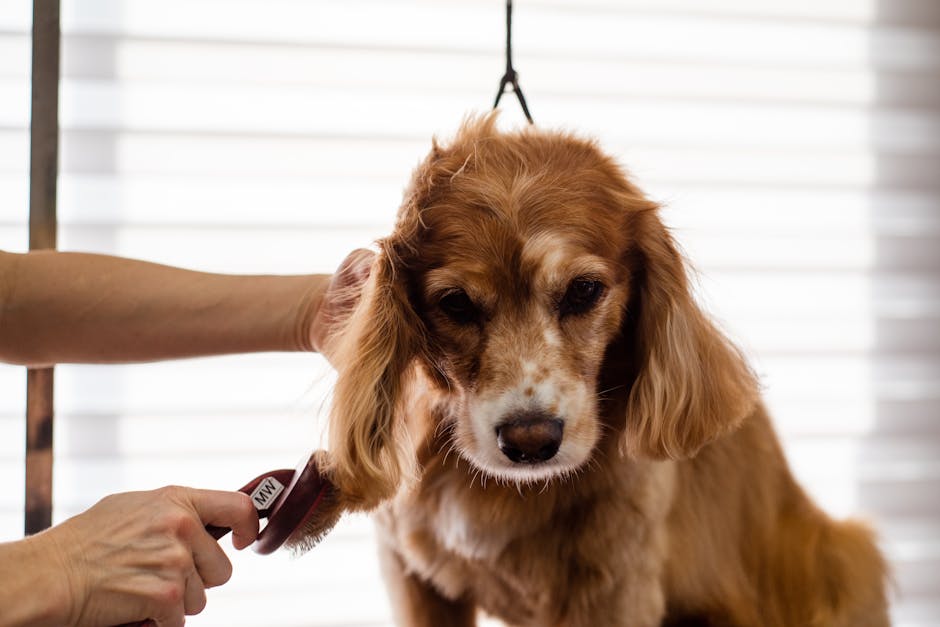
At Furry Cuts, we focus on understanding each pet's unique needs when facing matting, shedding, or anxiety. Our groomers are trained to recognize signs of stress and adjust techniques accordingly. We use appropriate tools and products designed for different coat types and sensitivities. Sessions are paced to the pet's comfort level, with positive reinforcement throughout. Located in Phoenix, we aim to provide a calm, professional environment where common grooming challenges are addressed with patience and skill.
Pets may exhibit anxiety through panting, trembling, hiding, or avoiding eye contact during grooming. Some may become stiff or attempt to move away. These are normal responses to unfamiliar situations. Groomers are trained to recognize these signals and can modify handling, offer short breaks, or use distraction techniques. Owners can help by sharing their pet's history and preferences. Open communication between owner and groomer supports a more predictable and comfortable experience.
2222 E Thomas Rd, Phoenix, AZ